The Unchanging Tradition Myth: Why Customs Keep Adapting
Why do traditions change? See how shifts in materials, participants and circumstances can help a custom stay meaningful without losing its shared purpose.
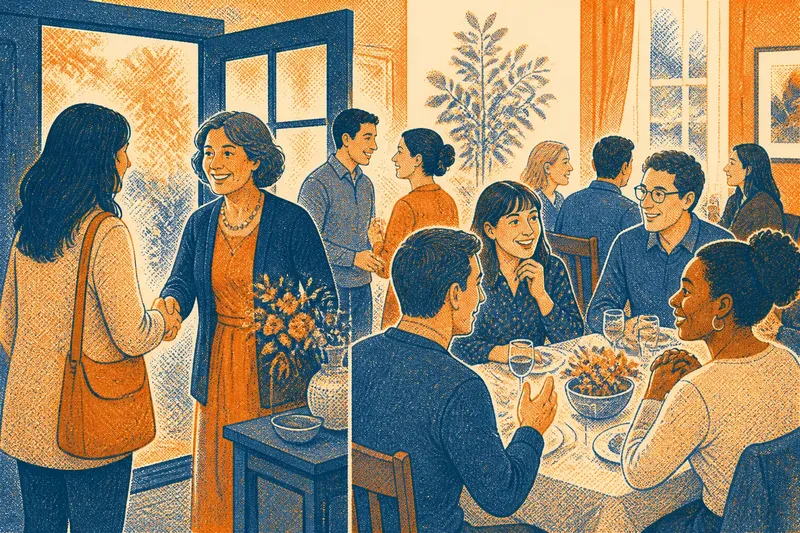
Customs change because people carry them into new circumstances. A winter gathering may keep its familiar name and purpose while the food, venue or guest list shifts. Tradition is not the absence of change; it is the shared meaning people continue to recognise through it.
Why do traditions seem timeless?
A custom often feels old because people encounter it as something already established. They learn what to do from relatives, neighbours or community groups, rather than watching the practice take shape. Repetition can make its current form seem permanent, even when earlier participants made different choices.
People also tell stories that give a custom continuity. A family might describe a particular meal as “what we always have”, although ingredients or cooks have changed over time. The phrase expresses belonging and expectation, not necessarily an unaltered record.
Public descriptions can reinforce that impression. A festival programme or family invitation may present a practice in a concise, familiar form. The details that changed between gatherings are less visible than the name, central activity or story that remains.
What makes a custom feel authentic?
Authenticity usually comes from recognition and participation, not from keeping every detail identical. Participants may value the chance to gather, remember someone, mark a season or welcome a new member. Those purposes can survive changes in setting and materials.
That does not mean every change feels welcome. A detail may carry religious, historical or personal importance that is not obvious to an outsider. Ask participants what matters to them before suggesting a revision, and make room for disagreement within the group.
It helps to distinguish a custom’s central meaning from its familiar arrangements. A particular dish might matter because it connects relatives across generations, while the serving vessel is simply what the household has. In another community, the vessel itself may have symbolic importance. The people involved are best placed to explain the difference.
How do materials change a tradition?
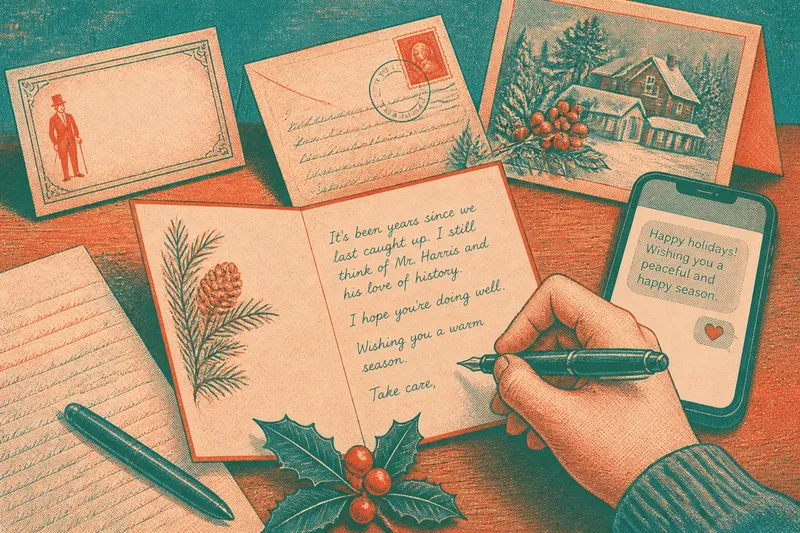
Materials shift as people move, resources change or everyday tools become different. A decoration once made from gathered branches might later use paper, fabric or a reusable ornament. A handwritten contribution may become a shared digital document. The new material can alter appearance and practical effort without erasing the reason for the activity.
Small substitutions can also make a custom easier for more people to join. A host might offer a familiar dish alongside an alternative for a guest who cannot eat it. The important point is to make the accommodation part of the gathering rather than treat it as a separate inconvenience.
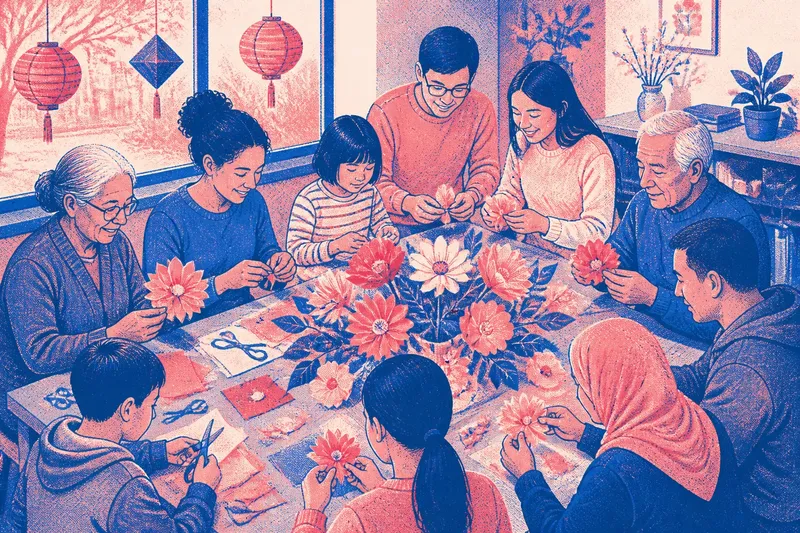
Say a neighbourhood group has always used fresh flowers for a seasonal display, but some residents cannot obtain or care for them. The organisers could invite people to make paper flowers together, keeping the shared preparation and display while changing the materials. The observable result would be a display assembled by more participants, though the group would still need to decide whether the original flowers carry a meaning they want to preserve.
Who gets to shape a custom?
Customs change when the people taking part change. Children may become organisers, new neighbours may join, or relatives who live far away may participate remotely. Each shift can bring different abilities, schedules, languages and expectations into the practice.
Participation is more than attendance. It includes having a say in decisions that affect the gathering. A practice may feel less shared if one person carries all the work, or if newcomers are expected to follow rules they have not been told. Explain the purpose of a custom, invite questions and offer practical ways to contribute.
Generational differences deserve conversation rather than assumptions. Older participants may treasure a particular sequence; younger ones may want a shorter gathering or a different role. Instead of treating one group as the guardian and the other as the source of change, ask what each detail does for those who value it.
What happens when circumstances shift?
Changes in work, housing, travel, health or household size can make an old arrangement difficult to maintain. A gathering that once took place in one home may move to a community room. A meal may become a shared contribution, or a ceremony may be held at a time that suits people with different schedules.
Adaptation can preserve a custom by adjusting the parts that no longer fit. It can also expose which parts were never equally accessible. If a practice assumes that everyone can travel, cook, stay late or take time off, some participants may be left out even when nobody intends it.
When a change is proposed, name the practical problem and the meaning the group hopes to retain. Then discuss possible arrangements together. This keeps the conversation specific: the issue may be transport, workload or access to a venue, rather than a vague claim that tradition is under threat.
How can a custom change without losing meaning?
Start by asking participants what they would miss if the practice stopped, and what they would be willing to change. Their answers can reveal whether the valued part is a shared task, a particular object, a story, a place or simply time together. Do not assume that the most visible feature is the most important one.
For a modest change, explain what is changing and why. Invite people affected by the decision to comment, especially those who usually do less of the organising or have found the existing arrangement difficult. If the choice remains uncertain, agree to try an adjustment for one occasion and discuss afterwards whether it served the group.
Keep a record of the reasoning if the custom is passed on. A note such as “we moved the gathering earlier so everyone could attend” gives future participants context without telling them they must keep the new arrangement forever. They can preserve the purpose and make their own considered choices.
Which parts should stay, and which can change?
Does changing a custom make it less authentic?
Not by itself. A change can keep a practice connected to its participants and purpose, while a rigid form can become difficult for people to take part in. The people who share the custom should decide what continuity means to them.
How can families talk about changing a tradition?
Ask each person what the custom means to them before debating specific details. Then identify which parts feel essential, which are practical habits and what adjustment could make participation easier.
Should a new version be explained to newcomers?
Yes, especially when the reason for a change is not obvious. A brief explanation helps newcomers understand both the custom’s purpose and how they can take part without guessing at unwritten expectations.
Can a tradition return to an older form?
It can, if participants want to restore an earlier practice and it suits their circumstances. Returning is also a choice made in the present, not proof that a custom has been unchanged throughout its history.
What should future participants inherit?
Pass on the reason for a custom alongside its visible details. Explain who takes part, what the gathering marks and which choices are open to discussion. That helps future participants distinguish a meaningful commitment from an arrangement that happened to work for one group at one time.
The myth of an unchanging tradition can make ordinary adaptation seem like disloyalty. A more useful account recognises the people who have kept a custom alive by adjusting it. When the practice changes again, ask what it helps the group remember or share—and let that answer guide the next version.